Recent events highlight the importance of proper preparation before you hike. We hope you find this blog beneficial when prepare for or contemplate a solo or unguided hike.
The Importance of Being Prepared for Your Walk
Over recent weeks many of you will have heard about a number of hiking incidents in Australia. Tragically in Tasmania there were three deaths over the Christmas new year period. While just last week, the search for Hadi Nazari ended successfully when he was found after being lost for two weeks in the Snowy Mountains.
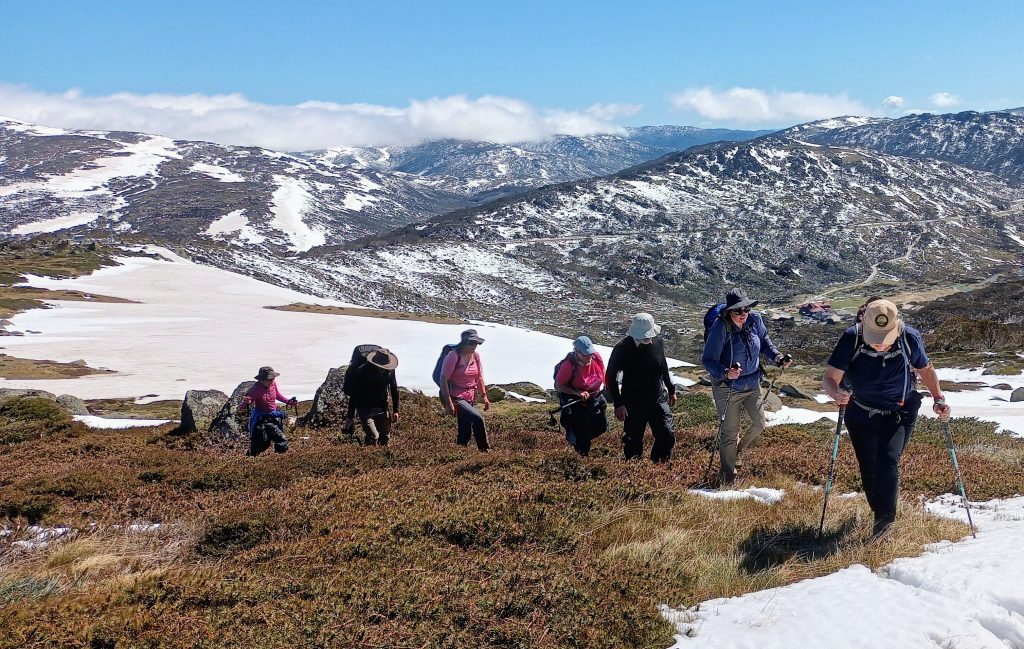
If nothing else, all of these incidents remind us of the importance of proper planning whenever you hike. That planning must also entail an honest assessment of your own physical capabilities and limitations. With the right planning and appreciation of your own capabilities you are on the right track to have a great day out.
Tips and Tricks to Stay Safe Walking
So, here are some tips on planning for and executing a successful hike:
1 – Do the research – Before you head out it’s important to research the trail you are planning to undertake. Is water available along the way? Are there reliable points of shelter? Will there be mobile reception? Make sure you know the grading and difficulty of the trail you plan to undertake – many trails are graded according to the Australian Track Grading System. There are also lots of resources online to research Australian trails, including mapping apps and the excellent resources of Trail Hiking Australia. Anything beyond a grade 3 trail is generally only suitable for experienced hikers or those accompanied by a guide.
2 –Have the right gear – Once you’ve assessed and determined the right trail for you or your party’s skills and abilities, you must turn your mind to what you will take with you. In preparing your gear you should assume that weather and other factors that may affect your walk (e.g. an injury) may not be exactly as planned and you should have everything you need (within reason) to be safe regardless.
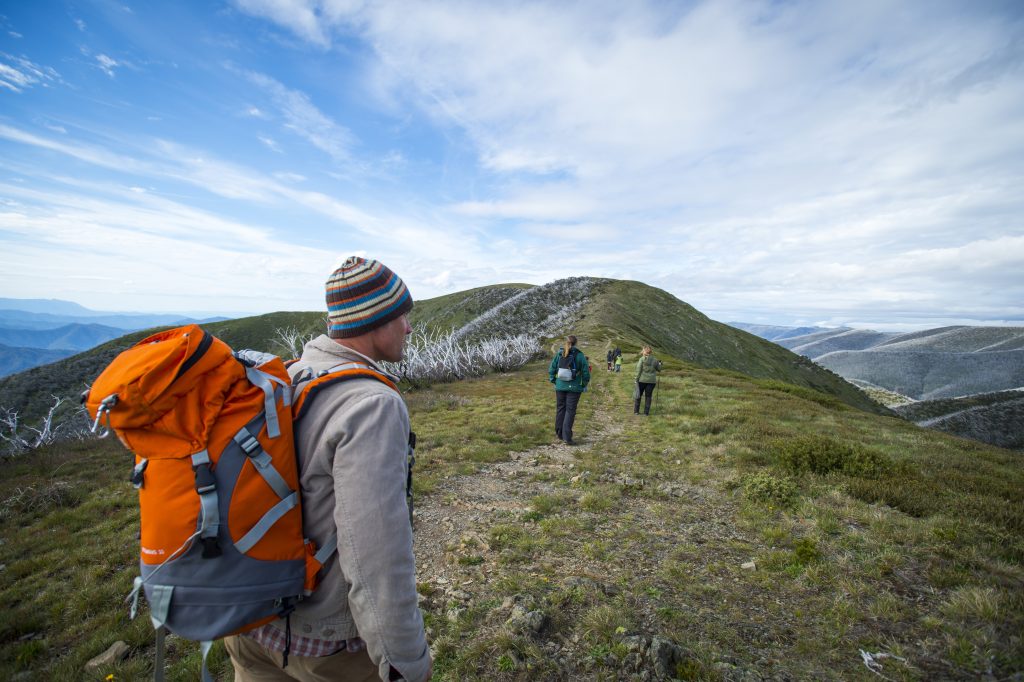
At a minimum, for a half or full day hike this should include:
- Sturdy and supportive footwear.
- Appropriate moisture wicking (not cotton) and layered clothing.
- A backpack to carry everything you need.
- An appropriate hat and sunscreen to protect against sunburn.
- A rain jacket and thermal to protect against exposure if weather changes.
- If there is a risk of no mobile reception, a map and compass you know how to use.
- 1 to 2 litres of water, snacks and high energy to last longer than the trip.
- A headlight just in case something happens and delays your trip.
- A power bank to charge your mobile and perhaps a personal locator beacon.
- A basic first aid kit, including a snake bite bandage you know how to use.
For longer walks, or if there is a risk of your day-hike going longer than expected, you might also consider short term shelter solutions like a bivvy, space blanket or tent.
3- Tell your friends – Before you head out, let your friends or loved ones know exactly where you are going, how long for, and when you expect to return home. And when you do return safely be sure to let them know on a timely basis.
4- Basic safety and trail etiquette – Before you hit the trail make sure you check the weather forecast (using the Bureau of Meteorology app or similar), and download your local state emergency service app (e.g. the Vic Emergency App) and select the area you are walking in to keep abreast of any incidents or emergencies.
Once you hit the trail, regularly check your bearings to ensure you’re on the intended track. Ideally keep a note of when you have mobile reception in case you lose it. On all our guided walks we also require our guests to always leave their pack on the trail if they need to go in the bush for a toilet break. That way our guides and other guests know exactly where they left the group. It is also encouraged to ensure that while guests may be separate, they should always be within eyeshot.
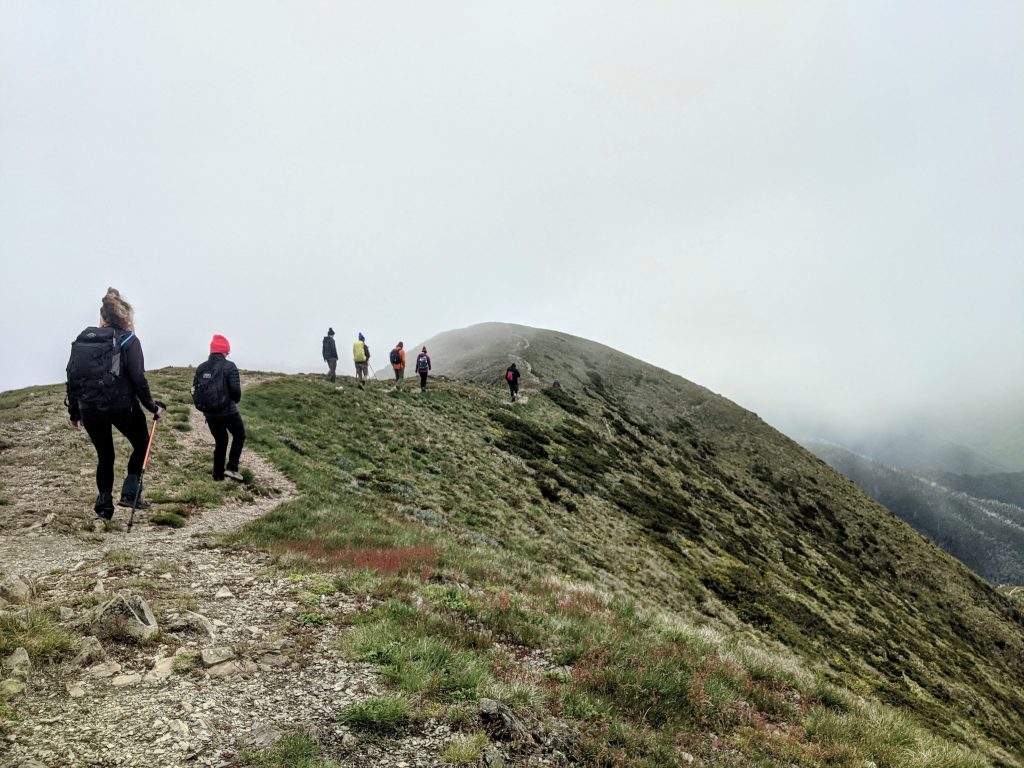
5- Some simple rules if you get lost – While it may be easier to say than to do at times, it’s important to stay calm and take stock of the situation. Try not to act hastily or make any irrational or premature decisions. If you think that you can reliably retrace your steps, then it is good to do that up to the last known point on the track. Otherwise, if you can’t retrace your steps, stay put and conserve your energy – and don’t split up if there are more than one of you. At this stage, if you have mobile reception, you should call for help on 000 or 112 or using a sat phone if you have one or possibly activate your personal locator beacon.
Contact Our Team for More Useful Information
While this is intended as a brief guide, there are lots of additional resources out there to help in preparing for your next hike. For instance, Bushwalking Victoria has a terrific manual to help safely plan your next bushwalk. Most importantly invest the time preparing before your hike to ensure you have a great time immersing in and connecting with nature. And of course, if you just want to immerse in nature and leave the planning to us, we’d love to walk with and guide you!
Safe travels, and if ever in doubt reach out to someone you trust for advice, including the team at Park Trek – we’re only too happy to help.
Happy and safe walking.
Charles & The Park Trek Team
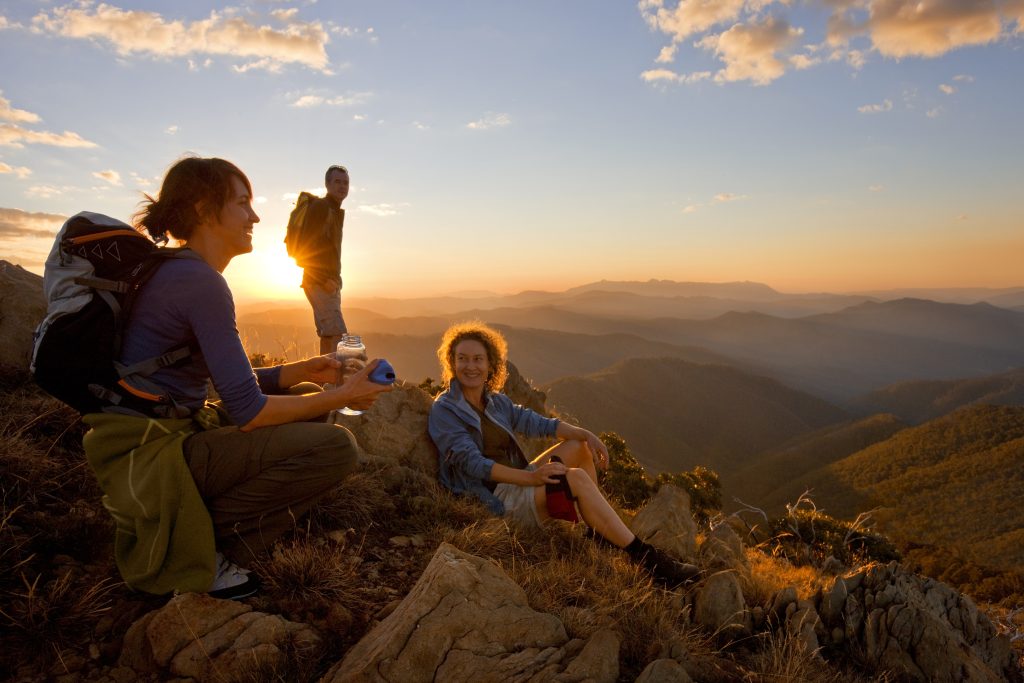
Park Trek acknowledges and pays its respects to the Traditional Owners of the lands upon which we wander as a walking company. We recognise the unique place held by Aboriginal and Torres Strait Islander peoples as the original custodians of the lands and waterways across our continent, with histories of continuous connection dating back more than 60,000 years. We are proud to live on the planet’s oldest continent with the oldest continuous living culture. We support the Uluru Statement from the Heart.
