Introduction
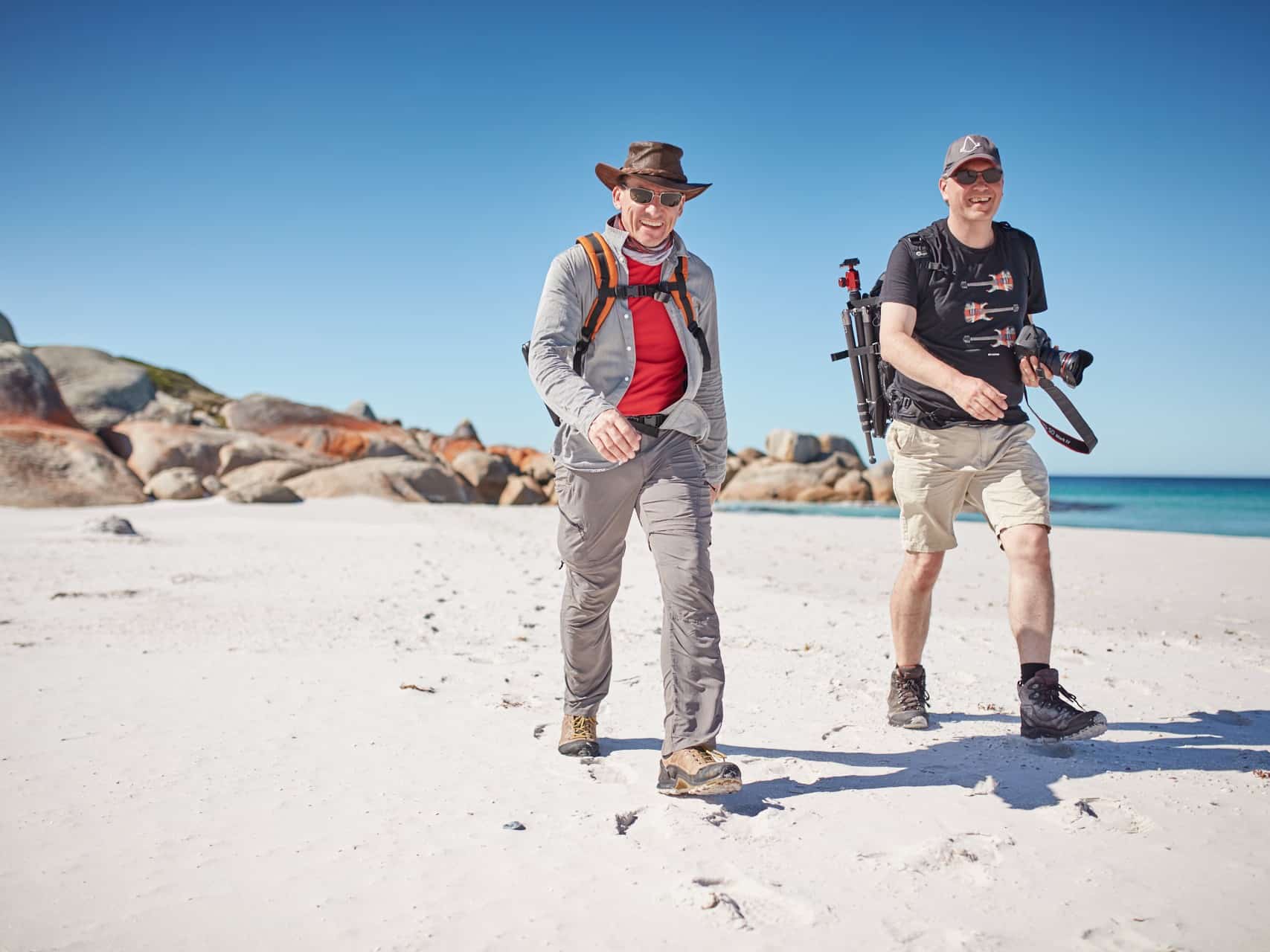
Walking with Park Trek isn’t about pushing limits or covering distance quickly. It’s about moving at a steady pace, feeling supported, and taking in landscapes most people never truly experience.
If you’re preparing for your first multi-day walking holiday in Australia, a few questions tend to come up. Am I fit enough? What should I bring? What will each day feel like?
The good news is this, most people are far more ready than they think. With the right preparation, the experience becomes simple, enjoyable, and deeply rewarding!
Best of all, if this article does not answer your questions, chances are it’s covered in the comprehensive Walker Tips & Tricks section of our website.
What Preparing for a Walking Holiday Means
Preparing for a multi-day walking holiday in Australia isn’t about training like an athlete. It’s about feeling comfortable, organised, and confident before you arrive.
With Park Trek the logistics are handled for you. Routes are planned, accommodation is organised, and experienced guides support the group throughout the journey. Preparation becomes less about complexity and more about getting a few key things right.
That shift makes a real difference. Instead of focusing on what could go wrong, you can focus on enjoying the experience from the very first day and selecting the most suitable walking experience for you.
How Fit Do You Need to Be?
This is often the biggest concern, and usually the most overestimated.
You don’t need extreme fitness to prepare for a walking holiday in Australia. What matters more is consistency, not intensity.
Most guided walks are designed for active people who enjoy being outdoors. Daily distances are manageable, the pace is steady, and there are regular breaks along the way.
If you can comfortably walk for a few hours, you’re already building the right foundation. For a more structured approach, our fitness and training guide for walking holidays can help you prepare with confidence. Or check out our blog on how to train for a multi-day hike.
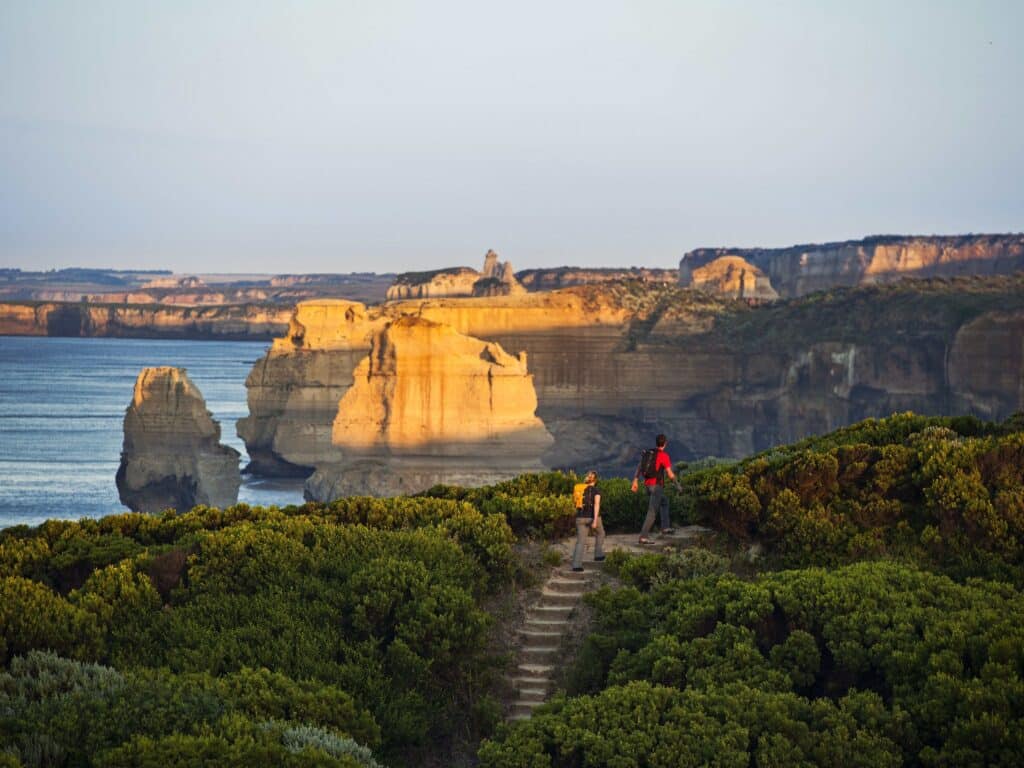
Walks like our Great Ocean Walk, Sapphire Coast Light to Light Walk, or Bay of Fires Walk are often a comfortable starting point for first-time multi-day walkers, with achievable distances and rewarding scenery.
Many first-time walkers arrive unsure of their ability. Once they settle into the rhythm, the experience often feels far more achievable than expected.
How to Prepare Your Body
A simple approach works best. You don’t need a complicated training plan.
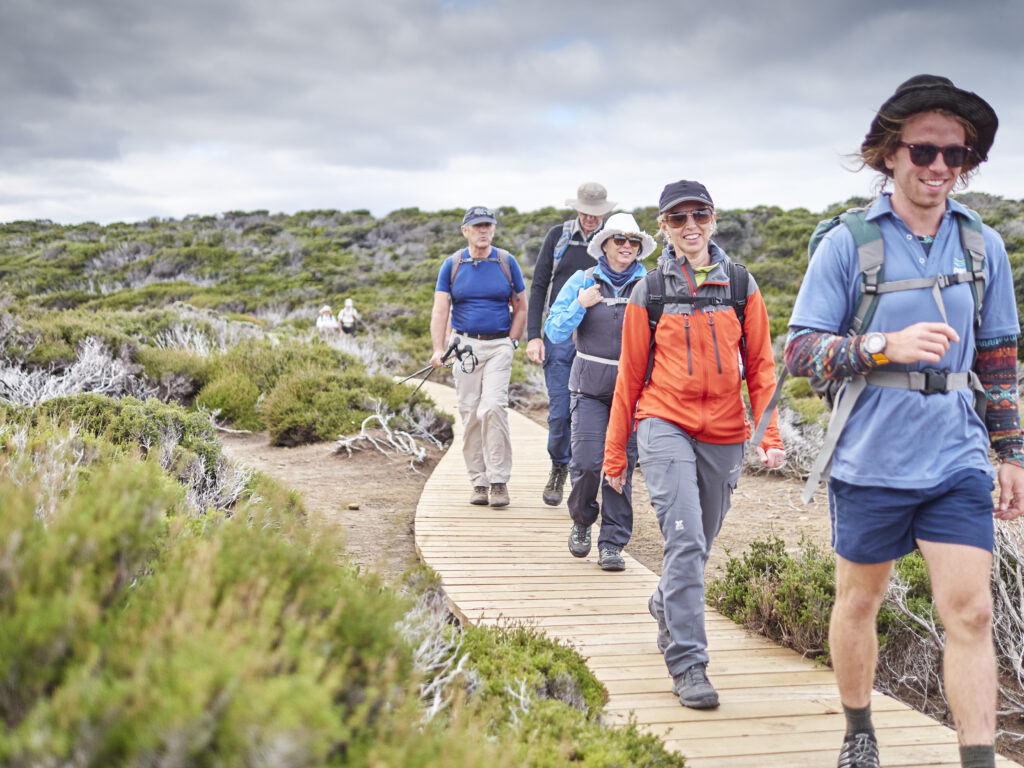
Start with regular walks each week. Gradually increase your time on your feet so your body adapts naturally. Including a few hills or uneven tracks can help, but it doesn’t need to be intense.
The goal is to feel comfortable walking for longer periods, not to push your limits. Consistency matters far more than effort. A steady routine builds both fitness and confidence without unnecessary strain.
It is also great to walk with your daypack for a little extra weight, and to better represent the days on the trail.
What to Pack (And What You Don’t Need)
Packing is one of the most common concerns, and it’s often overcomplicated.
On a guided walking tour with Park Trek, your main luggage is transported for you. Each day, you only carry a light day pack with your essentials. That means you don’t need as much as you might otherwise think.
Your daypack should not weigh more than 3 – 7kgs. A few key items will make all the difference to ensure a really enjoyable day outside:
- Water and snacks (Park Trek provides scroggin and snacks) for the trail
- Sun protection (sunscreen and hat and long sleeves are preferred)
- Lightweight good quality rain jacket to protect from inclement weather and wind
- An additional layer to put on or take off to ensure maximum comfort throughout
- Personal items (e.g. medications or other items to be kept with you at all times).
For a simple and complete breakdown, our guide to what to pack for a walking holiday has everything you need. You should also refer to our detailed Trip Notes for each of our walks as they contain a packing guide.
Most first-time walkers are surprised by how little they actually need to carry each day. Our guides also have a lot of stuff with them (including first aid, sat phones, extra water, and snacks). You don’t need to worry about:
- Heavy or bulky gear
- Multiple outfit changes
- Large packs or “just in case” items.
With your main luggage transported for you, the focus is on keeping things light and practical. If it doesn’t add clear value during the day, it’s usually better left behind in your main bag (or at home).
Keeping your pack light makes each day more comfortable and enjoyable.
What to Wear on a Multi-Day Walking Holiday
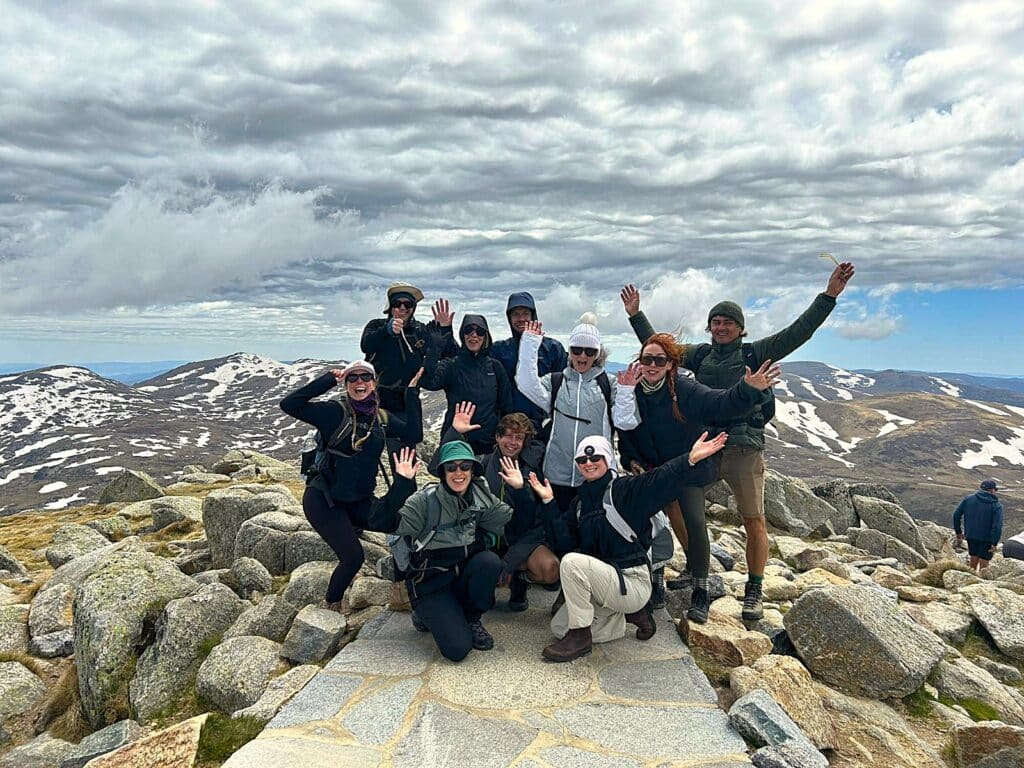
What you wear each day has a direct impact on your comfort, especially as conditions can shift throughout the walk. The key is to keep things simple and adaptable.
Lightweight, breathable clothing works best. Start with a moisture-wicking base layer, add a light insulating layer if needed, and carry a waterproof jacket for changing weather. This approach makes it easy to adjust as temperatures rise or fall throughout the day.
Comfort matters more than style. Clothes that move easily and dry quickly will make a noticeable difference over multiple days on the trail.
If you’re unsure how to layer or what fabrics to choose, our guide on what to wear on a walking tour breaks it down clearly and helps you prepare for different conditions across Australia.
Choosing the Right Multi-Day Walk Footwear
Footwear plays a big role in how you feel on the trail.
You don’t always need heavy boots. Many walkers prefer lightweight hiking shoes or trail runners, especially on well-maintained tracks.
What matters most is:
- A good fit
- Proper support
- Shoes that are already worn in
New or poorly fitted footwear is the most common cause of discomfort.
If you’re unsure what will suit your walk, our guide to choosing the right footwear for walking holidays explains the differences clearly and helps you find the right option for your trip.
Some walkers also consider using poles for extra stability on uneven terrain. If you’re unsure, our guide to using hiking poles for walking tours explains when they’re most helpful
What to Expect Each Day on the Trail
Each day follows a steady, predictable rhythm, which helps remove a lot of uncertainty.
Mornings usually begin with a short briefing. From there, the group moves at a comfortable pace with regular breaks to rest, take photos, and enjoy the surroundings.
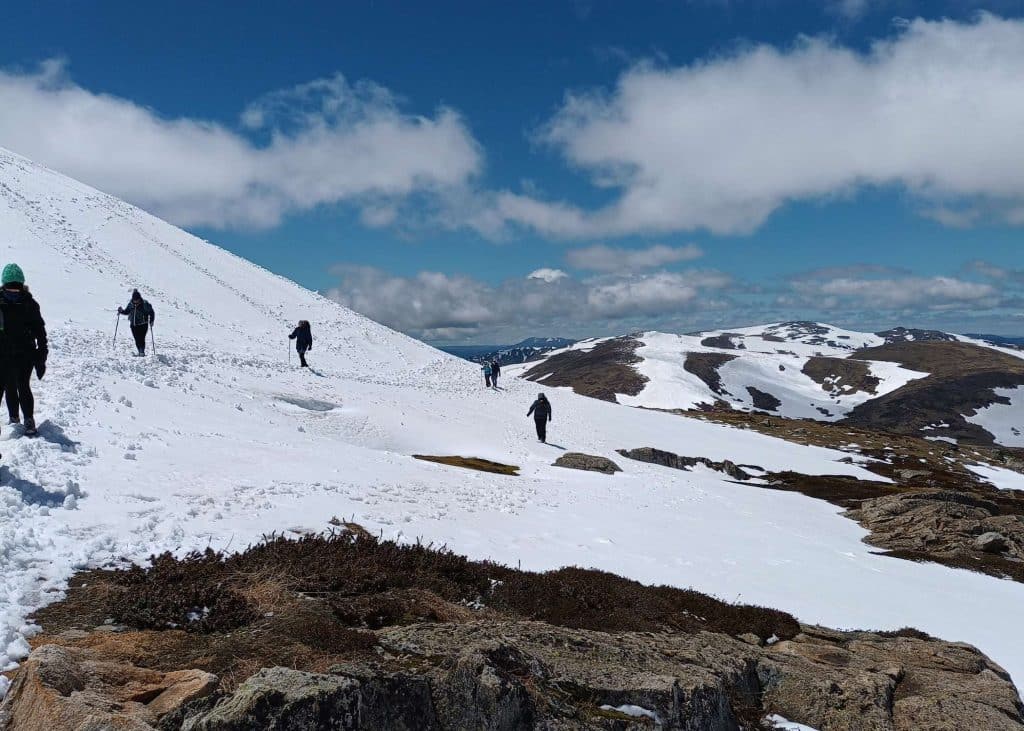
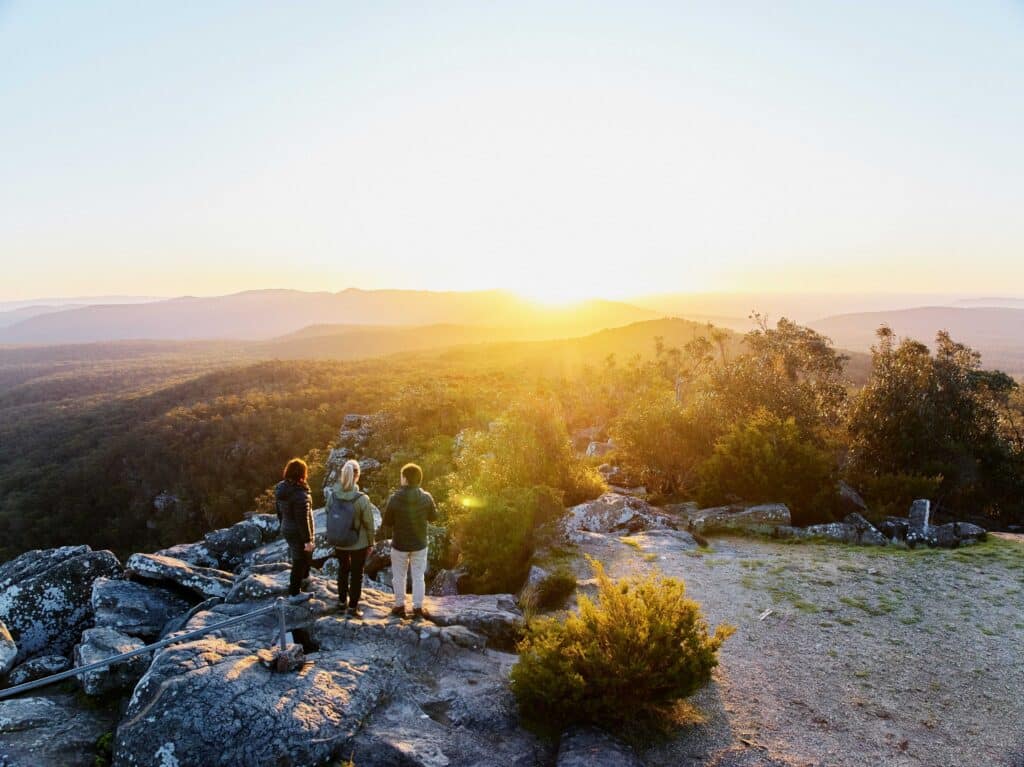
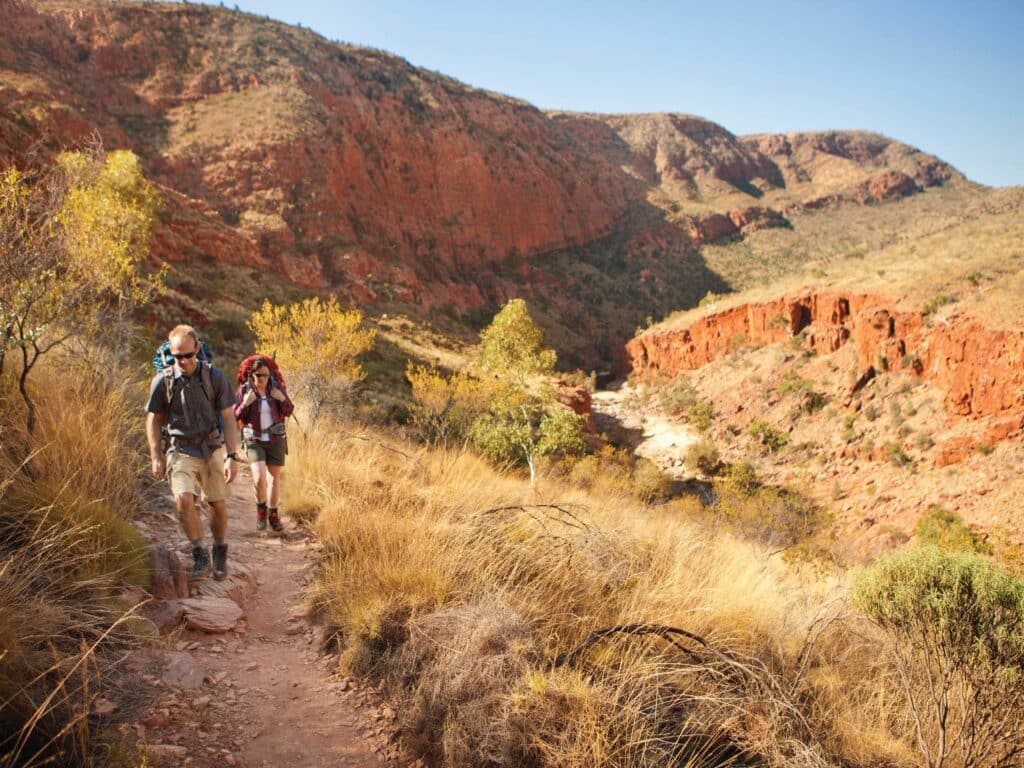
Terrain varies depending on the region. Coastal walks, such as the Great Ocean Walk and Bay of Fires, include sandy tracks and gentle climbs. Alpine experiences in the Victorian Alps and High Country bring longer ascents and expansive views. Walks in the Grampians combine forest trails with steady climbs to scenic lookouts. Flinders Ranges walks move through rocky gorges, creek beds, and open ridgelines shaped by ancient geology.
What stands out most is how manageable it feels.
With a pack-free approach, supportive pacing, and time built into the day, walking becomes less about effort and more about experience.
For a clearer picture of the day-to-day rhythm, our guide on what to expect on a guided walking tour walks through a typical experience in more detail.
Common Walker Anxieties (And Why They’re Usually Unfounded)
It’s completely normal to have a few doubts and anxieties before your first walking holiday.
What if I’m too slow?
The pace is designed to include everyone, with regular breaks and support throughout the day.
What if the weather changes?
Conditions can shift, but the right clothing makes a big difference. Our guide on what to wear on a walking tour helps you prepare for varying conditions across different regions.
Do I need hiking poles?
They’re optional, but helpful on uneven terrain. Many walkers choose them for added balance, especially on longer descents.
What if I’ve never done anything like this before?
Many walkers are first-timers. The structure, support, and pacing make it far more approachable than expected. Most concerns ease quickly once the walk begins.
How do I build confidence before my first walking holiday
Confidence doesn’t come from over-preparing. It comes from understanding what really matters. You don’t need perfect fitness or specialised gear. You just need a basic level of readiness and a willingness to begin.
Focus on:
- walking regularly
- choosing comfortable clothing and footwear
- packing simply
From there, the experience takes over. Something shifts out on the trail. The pace slows, distractions fade, and attention returns to the present moment. That sense of clarity is often what people remember most.
Final Thoughts: You’re More Ready Than You Think
Preparing for a multi-day walking holiday in Australia is simpler than it first appears.
You don’t need extreme fitness, complicated gear, or detailed planning. A few practical steps and the right mindset go a long way.
Once you arrive, everything else is supported along the way.
If you’re ready to take the next step, explore Park Trek’s guided walking tours across Australia and find a journey that suits your pace, interests, and level of experience.
If you have any questions, our team is always happy to hear from you.
Happy walking,
Charles & The Park Trek Team
Park Trek acknowledges and pays its respects to the Traditional Owners of the lands upon which we wander as a walking company. We recognise the unique place held by Aboriginal and Torres Strait Islander peoples as the original custodians of the lands and waterways across our continent, with histories of continuous connection dating back more than 60,000 years. We are proud to live on the planet’s oldest continent with the oldest continuous living culture. We support the Uluru Statement from the Heart.